
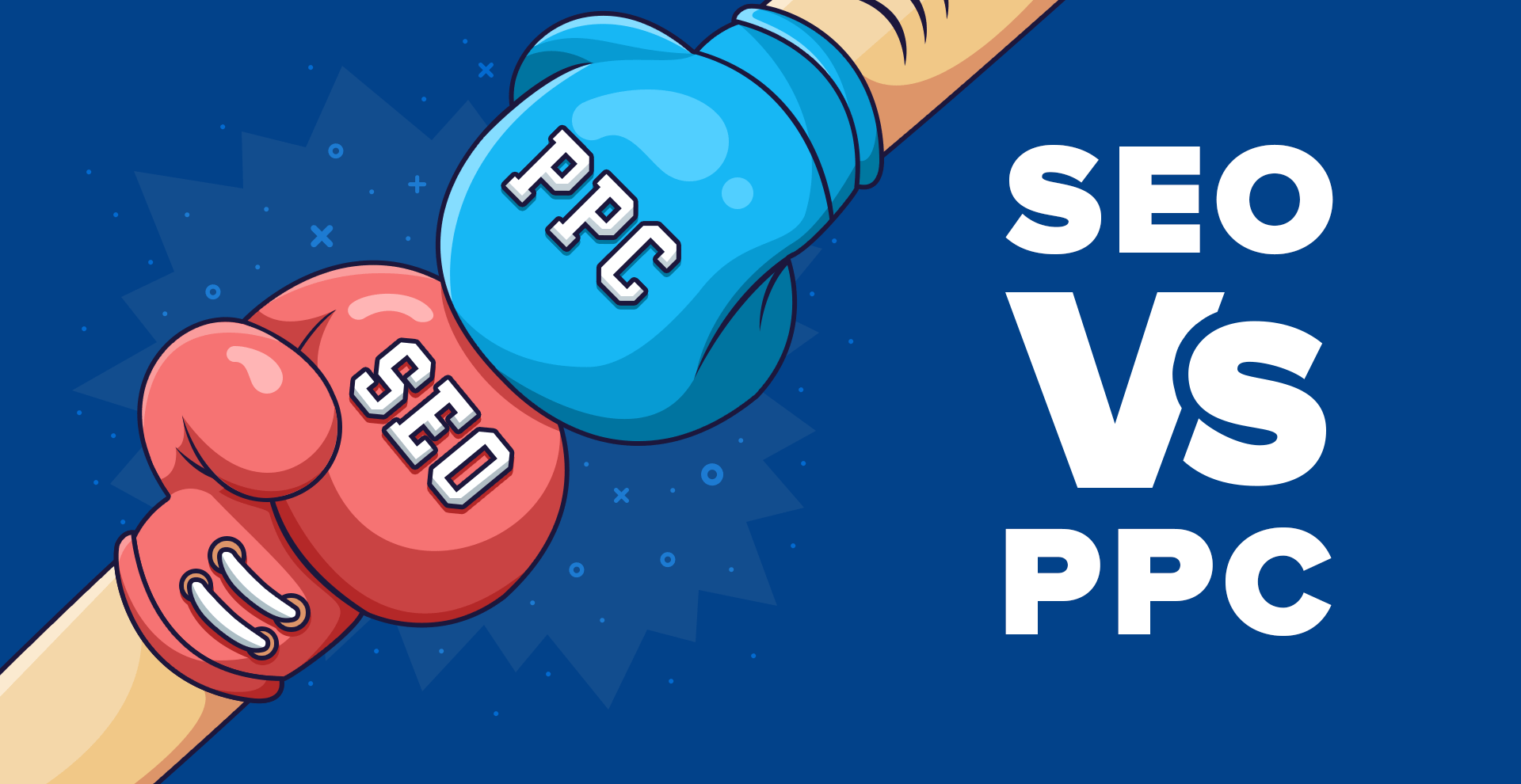
If you are marketing your business online, you may have encountered the terms Search Engine Optimization (SEO) and Pay-Per-Click (PPC). Understanding the difference between these two digital marketing techniques is essential to ensuring your success. Let’s take a look at what sets them apart from each other.
What Is SEO?
Search engine optimization is the process of optimizing your website to improve its visibility in organic search results. This means that when someone types a keyword related to your business, your website will appear higher in search results than if it weren’t optimized for SEO. SEO involves using targeted keywords and phrases, optimizing content for those phrases, and building backlinks from other websites to yours. It also involves ensuring your website is mobile-friendly and loads quickly.
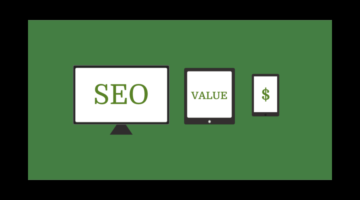
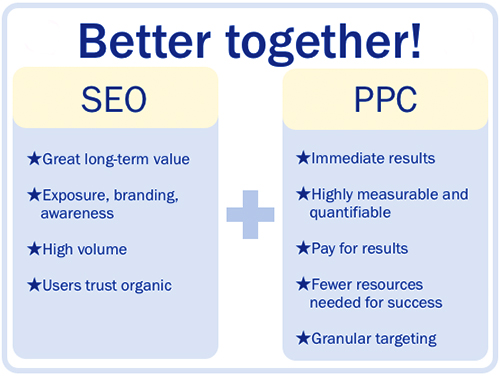
One of the primary benefits of SEO is that it increases the value of your website. When your website ranks higher in search engine results pages (SERPs), it will receive more traffic, which can lead to increased sales and revenue. In addition, a well-optimized website will be easier to navigate and use, leading to increased sales and revenue.
One of the main goals of SEO is to drive more traffic to your website. When your website ranks higher in SERPs, users will receive more clicks, which can eventually lead to increased sales and revenue. In addition, driving more traffic to your website can also lead to improved brand awareness and recognition.
In addition to driving more traffic to your website, SEO can also help you increase your brand awareness and recognition. Users who see your website in SERPs will associate your brand with the keywords they used to find you. Over time, this can improve brand awareness and recognition, increasing sales and revenue.
Another benefit of SEO is that it improves the user experience. When your website is optimized for search engines, it will be easier for users to find the information they want. In addition, a well-optimized website will load faster and be easier to navigate. Both factors can improve the user experience and increase sales and revenue.
What Is PPC?
Pay-per-click advertising is an online advertising model in which you pay each time someone clicks your ad. It is typically used to get immediate traffic to a landing page or web page with an offer or promotion. PPC can drive people to a specific page on your site, such as a product or sign-up page, and build brand awareness by displaying ads across search engines and other websites. The cost of each click depends on how competitive the keywords you choose are for other advertisers bidding on those exact keywords.
PPC advertising allows you to specifically target the people most likely to be interested in your product or service. This means you can effectively reach your target audience with your advertising, rather than wasting money on ads seen by people who are not interested in your offer.
PPC is a very flexible marketing tool, as you can adjust your budget and bid amount anytime to suit your needs. You can also target your ads to specific geographical areas, times of day, and even specific devices. This flexibility allows you to tailor your marketing campaign to your specific needs and goals.
PPC is a cost-effective marketing tool, as you only pay when someone clicks on your ad. This means you can effectively control your marketing budget and spend only on ads that potential customers are actually seeing. Additionally, PPC campaigns can be set up quickly and easily, so you can start seeing results quickly.
PPC campaigns provide detailed data on how well your ads perform, so you can track your results and make necessary changes to improve your campaign’s effectiveness. Additionally, PPC allows you to A/B test different ad copy and landing pages to see which version performs better before rolling it out to your entire campaign.
PPC campaigns can help you to build brand awareness for your business by getting your ads in front of potential customers who may not have heard of your business before. Additionally, PPC allows you to target specific keywords relevant to your business. Hence, potential customers are more likely to see your ads when searching for products or services you offer.
When deciding which digital marketing technique is best for your business, it’s essential to understand the differences between SEO and PPC. While both methods can help increase your business’s online visibility, they have different advantages and disadvantages depending on the type of campaign you are running and the goals you have set. Knowing which one is right for you can help ensure you reach those goals and get the most value from every dollar spent on digital marketing.